Thank you to Dr Steve Chaney for today's timely healthy post!
----------------------------------------------------------------------------------
Since today is Valentine's Day, it is only appropriate
that that I should
focus on the heart.
I came across a very interesting study recently
that
shows that when young women consumed a fish-rich diet
high in omega-3
fatty acids they were significantly
less likely to develop cardiovascular
problems over the
next several years (M Strom et al, Hypertension,
59:
36-43, 2012).
The investigators analyzed the data from
49,000
pregnant Danish women between 15 and 49.
The women were asked
about their dietary behaviors at
the time that they were enrolled into the
Danish
National Health System database and at several
intervals over the
next year.
The study then looked at hospital admissions for
heart
related problems over the next 8 years and compared
that to the
dietary intake of omega-3 fatty acids.
The results were
striking!
When the investigators looked at the dietary intake
of
omega-3-rich fish at the time of enrollment they found
that the group
with the lowest omega-3 fatty acid
intake was almost twice as likely to
develop
cardiovascular disease.
Of course, a single diet recall could
be influenced by
many temporary factors, so the investigators
strengthened
their analysis by obtaining dietary intake
data three different times over a
30-week period.
And when they compared those women who had
consistently
low omega-3 intake with those who had consistently
high
omega-3 intake the increase in cardiovascular risk was
almost
three-fold!
So what is the bottom line for you?
1) This study is
consistent with many other studies
showing that omega-3 fatty acids benefit
the heart.
What makes this study unique is that it shows that
the
heart health benefits of omega-3s occur even in young
women. Most of
the previous studies have been done with
men and women who were over
50.
2) This study was done with young women, but there is
no reason
not to expect the same benefit of omega-3s in
young men.
3) This study
was only done with fish because very few
Danes take fish oil supplements, but
other studies have
shown that fish and fish oil supplements have
similar
heart health benefits.
So celebrate this Valentine's Day with
a nice fish
dinner. Your heart will thank you!
To Your
Health!
Dr. Stephen G Chaney
Tuesday, February 14, 2012


Monday, January 09, 2012
A 2012 Goal -- Improving Memory
One of my 2012 goals is to work on my memory. I am aging as a babyboomer and always looking for ways to age in a healthy way. My husband and I are going to Alaska this summer. This brings me to today's post. I have had trouble remembering the types of salmon that my husband likes to fish for because of all the nicknames. So I use this method and have found it to be helpful! Enjoy!
Do you know there are five types of Pacific Northwest salmon species?: Chum, Sockeye, Coho, Chinook, and Pink Salmon. An easy mnemonic device, the five finger method, can help a person remember them all.
How to Remember the Types of Pacific Northwest Salmon Species Using the 5 Finger Method

Do you use a variety of methods to help your memory?
Please share a couple in the comments below.
Do you know there are five types of Pacific Northwest salmon species?: Chum, Sockeye, Coho, Chinook, and Pink Salmon. An easy mnemonic device, the five finger method, can help a person remember them all.
How to Remember the Types of Pacific Northwest Salmon Species Using the 5 Finger Method
Instructions
Things You'll Need- 5 Fingers!
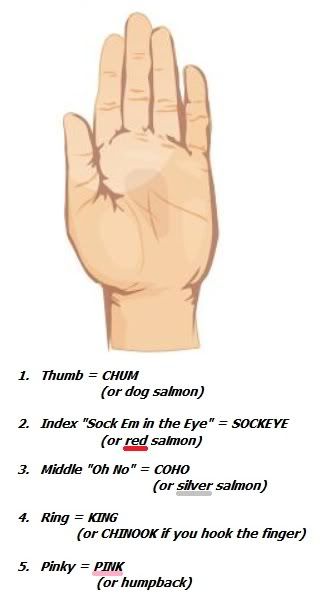
- Use the rhyming word thumb to remind you of the Chum salmon. Chums are the second most common salmon in the Pacific Northwest. Male Chum salmon are notable for their protruding front teeth.
- Point your index finger and gesture forward, as though you're about to "sock" someone in the eye. This is how you remember the Sockeye. Sockeyes have elongated, parabola-shaped mouths and more gill rakers than any other Pacific Northwest salmon. It feeds almost exclusively on plankton that it rakes from the river and ocean bottom.
- Your middle finger, or the "oh no" finger, will help you remember the Coho salmon. Because of the bright silver scales Coho develop in maturity, they are also sometimes referred to as Silver salmon.
- Form your index finger into a hook to remember the Chinook salmon. The index finger is also your ring finger, which can help you remember the common nickname of the Chinook: King salmon.
- The pinky finger can help you remember the Pink salmon, the most common salmon of the Pacific Northwest. Males are recognizable by the characteristic humps they develop on their backs, which is responsible for the nicknames "humpback salmon" or "humpies."
Do you use a variety of methods to help your memory?
Please share a couple in the comments below.
Tuesday, November 29, 2011
Rooney-isms
If you will take the time to read these, I promise you'll come
away with an enlightened perspective. The subjects covered affect us all on a
daily basis:
They're written by Andy Rooney, a man who has the gift of saying so much with so few words. Enjoy.......
I've learned.... That the best classroom in the world is at the feet of an elderly person.
I've learned.... That when you're in love, it shows.
I've learned.... That just one person saying to me, "You've made my day!" makes my day.
I've learned.... That having a child fall asleep in your arms is one of the most peaceful feelings in the world.
I've learned.... That being kind is more important than being right.
I've learned.... That you should never say no to a gift from a child.
I've learned.... That I can always pray for someone when I don't have the strength to help him in some other way.
I've learned.... That no matter how serious your life requires you to be, everyone needs a friend to act goofy with.
I've learned.... That sometimes all a person needs is a hand to hold and a heart to understand.
I've learned.... That simple walks with my father around the block on summer nights when I was a child did wonders for me as an adult.
I've learned.... That life is like a roll of toilet paper. The closer it gets to the end, the faster it goes.
I've learned.... That we should be glad God doesn't give us everything we ask for.
I've learned.... That money doesn't buy class.
I've learned.... That it's those small daily happenings that make life so spectacular.
I've learned.... That under everyone's hard shell is someone who wants to be appreciated and loved.
I've learned.... That to ignore the facts does not change the facts.
I 've learned.... That when you plan to get even with someone, you are only letting that person continue to hurt you.
I've learned.... That love, not time, heals all wounds.
I've learned.... That the easiest way for me to grow as a person is to surround myself with people smarter than I am.
I've learned.... That everyone you meet deserves to be greeted with a smile.
I've learned.... That no one is perfect until you fall in love with them.
I've learned... That life is tough, but I'm tougher.
I've learned.... That opportunities are never lost; someone will take the ones you miss.
I've learned.... That when you harbor bitterness, happiness will dock elsewhere.
I've learned.... That I wish I could have told my Mom that I love her one more time before she passed away.
I've learned.... That one should keep his words both soft and tender, because tomorrow he may have to eat them.
I've learned..... That a smile is an inexpensive way to improve your looks.
I've learned..... That when your newly born grandchild holds your little finger in his little fist, that you're hooked for life.
I've learned.... That everyone wants to live on top of the mountain, but all the happiness and growth occurs while you're climbing it.
I've learned.... That the less time I have to work with, the more things I get done.
I'd love to hear what you have learned in your life. Please leave me a comment below.
They're written by Andy Rooney, a man who has the gift of saying so much with so few words. Enjoy.......
I've learned.... That the best classroom in the world is at the feet of an elderly person.
I've learned.... That when you're in love, it shows.
I've learned.... That just one person saying to me, "You've made my day!" makes my day.
I've learned.... That having a child fall asleep in your arms is one of the most peaceful feelings in the world.
I've learned.... That being kind is more important than being right.
I've learned.... That you should never say no to a gift from a child.
I've learned.... That I can always pray for someone when I don't have the strength to help him in some other way.
I've learned.... That no matter how serious your life requires you to be, everyone needs a friend to act goofy with.
I've learned.... That sometimes all a person needs is a hand to hold and a heart to understand.
I've learned.... That simple walks with my father around the block on summer nights when I was a child did wonders for me as an adult.
I've learned.... That life is like a roll of toilet paper. The closer it gets to the end, the faster it goes.
I've learned.... That we should be glad God doesn't give us everything we ask for.
I've learned.... That money doesn't buy class.
I've learned.... That it's those small daily happenings that make life so spectacular.
I've learned.... That under everyone's hard shell is someone who wants to be appreciated and loved.
I've learned.... That to ignore the facts does not change the facts.
I 've learned.... That when you plan to get even with someone, you are only letting that person continue to hurt you.
I've learned.... That love, not time, heals all wounds.
I've learned.... That the easiest way for me to grow as a person is to surround myself with people smarter than I am.
I've learned.... That everyone you meet deserves to be greeted with a smile.
I've learned.... That no one is perfect until you fall in love with them.
I've learned... That life is tough, but I'm tougher.
I've learned.... That opportunities are never lost; someone will take the ones you miss.
I've learned.... That when you harbor bitterness, happiness will dock elsewhere.
I've learned.... That I wish I could have told my Mom that I love her one more time before she passed away.
I've learned.... That one should keep his words both soft and tender, because tomorrow he may have to eat them.
I've learned..... That a smile is an inexpensive way to improve your looks.
I've learned..... That when your newly born grandchild holds your little finger in his little fist, that you're hooked for life.
I've learned.... That everyone wants to live on top of the mountain, but all the happiness and growth occurs while you're climbing it.
I've learned.... That the less time I have to work with, the more things I get done.
I'd love to hear what you have learned in your life. Please leave me a comment below.
Wednesday, October 26, 2011
Killer Vitamins? - Part 1 & 2
***************************************
I subscribe to online health tips from Dr Chaney.
I want to share his most recent post with you as
I believe we need to be as informed as possible
when making decisions regarding our health.
Healthy Blessings,
Cheryl.
***************************************
 KILLER VITAMINS -- Part 1
A lot of you have been asking me about recent headlines
claiming that use of multivitamins and selected
vitamins or minerals may increase the risk of mortality
- and that supplemental calcium use may decrease
the risk of mortality.
Some of the headlines have gone as far to say that
vitamins can kill you.
What is the truth? Should you throw those vitamins
and minerals away, or are they safe for you to use?
The answer is -
some are and some aren't.
First let me start with a brief description of
the study and the results (Mursu et al, Archives of
Internal Medicine, 171: 1625-1633, 2011).
The data for this report were obtained from the
Iowa Women's Health Study. 38,722 older women (average age
61.6, range of ages = 55 to 69) were enrolled in the
study and followed for 19 years.
The women enrolled in the study filled out
extensive questionnaires in 1986, 1997 and 2004 that provided
information on their diet, lifestyle, health and
supplement intake.
The supplements evaluated on the questionnaire were
multivitamins and individual B complex, A, beta-
carotene, B6, folic acid, C, D, E, calcium,
copper, magnesium, selenium and zinc supplements. Supplements
like omega-3 fatty acids, probiotics and polyphenols
were not included in this study because their health
benefits were not recognized in 1986.
During the 19 years covered by the study, 15,594 of the
women (40.2%) died.
When the data were adjusted for age and calorie intake
use of B complex, C, D, E and calcium supplements were
associated with a slightly lower risk of death and
supplemental copper intake was associated with a
significantly higher risk of death than non-supplement
use.
When the data were further adjusted for medical
conditions and lifestyle differences between the
two groups at the time of entry into the study supplemental
calcium intake was associated with a decreased risk of
death, use of multivitamins and supplemental B6 or iron
were associated with a slight increased risk of
death and use of copper supplements was associated with a
significantly increased risk of death.
And when the data were even further adjusted
for dietary differences between the two groups,
supplemental calcium intake was still associated with a
decreased risk of death, use of multivitamins and
supplemtal B6, folic acid, magnesium, zinc or iron
were associated with a slight increased risk of death and
use of copper supplements was associated with a
significantly increased risk of death.
In analyzing any study like this the best place to
start is to analyze its strengths and weaknesses.
Its strengths are obvious. It is a very large study and
it followed people for a long time (19 years).
However, its weaknesses are many:
1) As the authors have admitted, it is an observational
study and does not prove cause and effect.
In non-scientific language, this means that this study
does not prove that vitamin use increases the risk of
death, only that it is associated with increased risk
of death under the particular conditions of
the study. Thus, it is important to carefully examine the
conditions of the study to see if there are confounding
factors that might have contributed to the results.
2) The data initially showed an increased risk of
death only associated with copper intake. It had to be
extensively massaged before any other adverse
associations became apparent.
3) The authors also observed that several of their
conclusions were not supported by previous studies.
Again, when you see this kind of discordance
between one study and several previous studies, further studies
should be performed to confirm or refute the results of
the study before recommendations are made to the
general public.
And when this kind of discordance arises, it is also
important to examine possible confounding
variables to see if there are some unique variables that may
have contributed to the results of the study.
In my opinion, there are at least two confounding
variables that merit further evaluation.
3a) While the vitamin users had slightly better diet
and lifestyle than the non-supplement users, those
differences were fairly small.
However, the use of estrogen hormone replacement
therapy was almost twice as prevalent in the supplement users
than the non-users. That is a concern because use of
hormone replacement therapy is known to be associated
with a significantly increased risk of death in this
population group.
Although an attempt was made to adjust for estrogen
use, Ithink that further studies are needed to see if
hormone replacement therapy has skewed the results of
this study.
3b) The percentage of women using supplements almost
doubled during the course of the study and the
"supplement group" included both the women using
supplements at the beginning of the study and the women
who started supplement use during the study.
As the authors noted this raises the possibility that
the supplemented group may have included a significant
number of women who started using supplements because
of medical conditions that arose during the study.
Ideally, the supplement using group and the non-
supplement using group should both be disease free at
the time supplement use was initiated if you are going
to have a valid comparison.
4) The sample size was extremely small (108-530) for
some of the groups where adverse effects were reported
- especially copper, vitamin B6 and folic acid.
5) The study only reported supplement use versus non-
use. It did not report the dosage of the individual
supplements used by the women in the study. This is
critical information, because both iron and copper
are known to be toxic - and magnesium and zinc have the
potential to be toxic - when used as stand-alone
supplements at high doses.
6) This brings me to my most important critique. This
study evaluated individual, probably high dose
supplements. This is a concern because individual
high dose supplements can cause harm by interfering with the
absorption of similar nutrients from food or multivitamins.
As an example, this study reported that use of
individual B6 or folic acid supplements were
associatedwith a higher risk of mortality, but a B complex
supplement containing B6 and folic acid (along with the
other B vitamins) had no effect on mortality.
Next week (see Killer Vitamins --Part 2 below) in part two of this series I will discuss
my "bottom line" recommendations for you based on an in-
depth analysis of this study's results and other pertinent literature.
##########################################################
KILLER VITAMINS -- Part 2
Last week I discussed the strengths and weaknesses of
the Iowa Women's Health Study (Mursu et al, Archives of
Internal Medicine, 171: 1625-1633, 2011) which has been
interpreted as suggesting that multivitamins and
certain individual vitamin or mineral supplements could
actually increase the risk of mortality in older women.
This week I'd like to focus on the bottom line for you,
and give you my personal recommendations.
1) As I mentioned last week the sample size for women
taking a copper-only supplement was exceedingly small
(108), so I do not have much confidence in the data
reported for copper supplement users in this study.
However, high doses of copper can be toxic and there is
no reason to be taking a stand-alone copper supplement
unless it is recommended by your physician.
On the other hand, copper is an essential nutrient, so
some copper should be included in your multivitamins. I
recommend looking for multivitamins providing around 1
mg of copper (50% of the DV) on a daily basis.
2) The potential toxicity of iron in adult men and
post-menopausal women is well documented. About 5-10%
of these population groups have an increased need for
iron that can be easily diagnosed by their physicians.
There is another 10-15% that have a genetic condition
that can lead to iron overload and premature death.
This condition is insidious and is often not diagnosed
until considerable damage has been done. For the rest
of the people in these population groups iron offers
neither a risk nor a benefit.
This is why the standard recommendation for adult men
and post-menopausal women is to avoid iron supplements
and iron-containing multivitamins unless supplemental
iron is specifically recommended by their physicians.
To be quite clear, if you are an adult man or post-
menopausal woman there is no reason to be taking an
iron-containing supplement unless it has been
recommended by your physician.
3) The potential toxicity of vitamin B6 and folic acid
as stand-alone supplements in this study was quite
small and was not seen in several previous studies.
However, as I pointed out last week there was no risk
involved in taking a B complex supplement containing
B6 and folic acid.
This reinforces a continuing theme of mine - namely
that we should be focusing on a holistic, balanced
approach to supplementation rather than relying on
supplements providing individual, high potency
nutrients.
4) Similarly, the potential toxicity of magnesium and
zinc was also quite small, was seen only after
considerable adjustment of the primary data, and has
not been seen in several previous studies.
My recommendation would be to get both of these
nutrients from a well-designed multivitamin supplement
where all of the essential minerals are provided in the
appropriate amounts and balance. If you do use
magnesium and zinc as stand-alone supplements my
recommendation would be to avoid very high doses of
either unless directed by your physician.
5) The very slight increase in mortality associated
with multivitamin use is not completely surprising
because some previous studies have suggested this
posiblity.
As last week one needs to know why the participants
were taking a multivitamin (ie, was it because they had
a medical condition) to appropriately evaluate these
data.
However, it is also important to ask how well designed
and tested the multivitamin was. There are some
multivitamins in the marketplace that are so poorly
designed and/or manufactured that they could possibly
cause more harm than good. Here are the questions
that you should ask about the supplement that you are
using:
- Does it represent a holistic approach to
supplementation?
I have already talked about the value of having all of
the B vitamins in balance rather than high dose B6 or
folic acid alone. However, both pure alpha tocopherol
alone (even all natural d-alpha tocopherol) or pure
beta- carotene alone have the potential to cause some
harm by interfering with the absorption of similar
nutrients.
You should look for a supplement that provides all of
the naturally occurring tocopherols and tocotrienols -
especially gamma-, beta- and delta tocopherol rather
than pure d-alpha-tocopherol alone.
You should also look for a supplement that provides all
of the major carotenoids (beta-carotene, alpha-
carotene, lycopene, lutein, and zeaxanthin) rather than
beta-carotene alone.
And finally, a truly holistic supplement will contain
omega-3 fatty acids, polyphenols and probiotics.
- Does the manufacturer do quality controls that
guarantee the supplement does not contain contaminants
that can harm you? Ask them how many quality controls
they perform with the product that you are using.
- Can the supplement manufacturer provide you with
clinical studies done with their product showing that
it delivers the nutrients to your bloodstream and has
the intended effect in your body? Animal and cell
culture studies don't count.
- Are there clinical studies showing that long term use
of the supplement actually decreases disease risk? The
study should be at least as long as the Iowa Women's
Health Study (19 years).
6) Finally, we should not ignore the "good news" part
of the study - namely that calcium supplementation
decreased mortality risk. Of course, this conclusion is
subject to the same limitations as the previous ones
and not every previous study has come to the same
conclusion.
The DV for calcium for women in this age range is 1,200
mg/day and some 40-60% of older women do not achieve
this from diet alone. I recommend that everyone strive
for the DV for calcium from diet plus supplementation.
Intakes slightly above 1,200 mg/day are probably safe
for older women, but I don't recommend going above
2,000 mg/day.
I've covered a lot of ground over the past two weeks.
Let me close with a quick summary.
- The Iowa Women's Health Study has a number of
significant design flaws and its conclusions should be
confirmed by subsequent studies before recommendations
are made to the public.
- The study's warning against taking iron-containing
supplements and copper-alone supplements is, however,
right on. In postmenopausal women these supplements
should only be taken if prescribed by a doctor.
- Individual high dose B6 or folic acid supplements are
also probably not a good idea unless prescribed by a
physician, but a well designed B complex or
multivitamin supplement containing those nutrients
appears to be safe.
- The risk associated with individual high dose
magnesium and zinc is weak and needs to be confirmed by
additional studies. Holistic supplements containing
magnesium and zinc should not be a problem.
- The risk associated with multivitamin use was also
weak and needs to be confirmed. My take on this is that
many of the multivitamins on the market are poorly
designed and could conceivable cause more harm than
good. I recommend looking for holistic supplements
backed by strong clinical studies showing that they are
safe and effective for long term use.
- This study suggests that supplemental calcium may
decrease the risk of death. While this needs to be
confirmed by subsequent studies, it does make sense to
make sure that you are getting the DV for calcium on a
daily basis.
To Your Health!
Dr. Stephen G Chaney
Shaklee Master Coordinator
*These statements have not been evaluated by the Food
and Drug Administration. This information is not
intended to diagnose, treat, cure or prevent
any disease.
****ABOUT DR CHANEY:
Dr. Stephen Chaney, Phd
Dr. Chaney has a BS in Chemistry from Duke University
and a PhD in Biochemistry from UCLA. He currently holds
the rank of Professor at a major university.
Dr. Chaney has taught biochemistry to medical and dental
students for more than 30 years and has won several awards
for teaching excellence.
He runs an active cancer research program and has published
over 100 scientific articles and reviews in peer-reviewed scientific
journals. He has also written two chapters on nutrition for a
popular medical biochemistry textbook.
Dr. Chaney and his wife have also built a business part time that
has earned them a 6 -figure income for the past 15 years and he
has spent the last 10 years teaching other people how to do the same.
[If you want more information about Shaklee supplements,
please check out my website at www.babyboomerhealth.myshaklee.com]
I subscribe to online health tips from Dr Chaney.
I want to share his most recent post with you as
I believe we need to be as informed as possible
when making decisions regarding our health.
Healthy Blessings,
Cheryl.
***************************************

A lot of you have been asking me about recent headlines
claiming that use of multivitamins and selected
vitamins or minerals may increase the risk of mortality
- and that supplemental calcium use may decrease
the risk of mortality.
Some of the headlines have gone as far to say that
vitamins can kill you.
What is the truth? Should you throw those vitamins
and minerals away, or are they safe for you to use?
The answer is -
some are and some aren't.
First let me start with a brief description of
the study and the results (Mursu et al, Archives of
Internal Medicine, 171: 1625-1633, 2011).
The data for this report were obtained from the
Iowa Women's Health Study. 38,722 older women (average age
61.6, range of ages = 55 to 69) were enrolled in the
study and followed for 19 years.
The women enrolled in the study filled out
extensive questionnaires in 1986, 1997 and 2004 that provided
information on their diet, lifestyle, health and
supplement intake.
The supplements evaluated on the questionnaire were
multivitamins and individual B complex, A, beta-
carotene, B6, folic acid, C, D, E, calcium,
copper, magnesium, selenium and zinc supplements. Supplements
like omega-3 fatty acids, probiotics and polyphenols
were not included in this study because their health
benefits were not recognized in 1986.
During the 19 years covered by the study, 15,594 of the
women (40.2%) died.
When the data were adjusted for age and calorie intake
use of B complex, C, D, E and calcium supplements were
associated with a slightly lower risk of death and
supplemental copper intake was associated with a
significantly higher risk of death than non-supplement
use.
When the data were further adjusted for medical
conditions and lifestyle differences between the
two groups at the time of entry into the study supplemental
calcium intake was associated with a decreased risk of
death, use of multivitamins and supplemental B6 or iron
were associated with a slight increased risk of
death and use of copper supplements was associated with a
significantly increased risk of death.
And when the data were even further adjusted
for dietary differences between the two groups,
supplemental calcium intake was still associated with a
decreased risk of death, use of multivitamins and
supplemtal B6, folic acid, magnesium, zinc or iron
were associated with a slight increased risk of death and
use of copper supplements was associated with a
significantly increased risk of death.
In analyzing any study like this the best place to
start is to analyze its strengths and weaknesses.
Its strengths are obvious. It is a very large study and
it followed people for a long time (19 years).
However, its weaknesses are many:
1) As the authors have admitted, it is an observational
study and does not prove cause and effect.
In non-scientific language, this means that this study
does not prove that vitamin use increases the risk of
death, only that it is associated with increased risk
of death under the particular conditions of
the study. Thus, it is important to carefully examine the
conditions of the study to see if there are confounding
factors that might have contributed to the results.
2) The data initially showed an increased risk of
death only associated with copper intake. It had to be
extensively massaged before any other adverse
associations became apparent.
3) The authors also observed that several of their
conclusions were not supported by previous studies.
Again, when you see this kind of discordance
between one study and several previous studies, further studies
should be performed to confirm or refute the results of
the study before recommendations are made to the
general public.
And when this kind of discordance arises, it is also
important to examine possible confounding
variables to see if there are some unique variables that may
have contributed to the results of the study.
In my opinion, there are at least two confounding
variables that merit further evaluation.
3a) While the vitamin users had slightly better diet
and lifestyle than the non-supplement users, those
differences were fairly small.
However, the use of estrogen hormone replacement
therapy was almost twice as prevalent in the supplement users
than the non-users. That is a concern because use of
hormone replacement therapy is known to be associated
with a significantly increased risk of death in this
population group.
Although an attempt was made to adjust for estrogen
use, Ithink that further studies are needed to see if
hormone replacement therapy has skewed the results of
this study.
3b) The percentage of women using supplements almost
doubled during the course of the study and the
"supplement group" included both the women using
supplements at the beginning of the study and the women
who started supplement use during the study.
As the authors noted this raises the possibility that
the supplemented group may have included a significant
number of women who started using supplements because
of medical conditions that arose during the study.
Ideally, the supplement using group and the non-
supplement using group should both be disease free at
the time supplement use was initiated if you are going
to have a valid comparison.
4) The sample size was extremely small (108-530) for
some of the groups where adverse effects were reported
- especially copper, vitamin B6 and folic acid.
5) The study only reported supplement use versus non-
use. It did not report the dosage of the individual
supplements used by the women in the study. This is
critical information, because both iron and copper
are known to be toxic - and magnesium and zinc have the
potential to be toxic - when used as stand-alone
supplements at high doses.
6) This brings me to my most important critique. This
study evaluated individual, probably high dose
supplements. This is a concern because individual
high dose supplements can cause harm by interfering with the
absorption of similar nutrients from food or multivitamins.
As an example, this study reported that use of
individual B6 or folic acid supplements were
associatedwith a higher risk of mortality, but a B complex
supplement containing B6 and folic acid (along with the
other B vitamins) had no effect on mortality.
Next week (see Killer Vitamins --Part 2 below) in part two of this series I will discuss
my "bottom line" recommendations for you based on an in-
depth analysis of this study's results and other pertinent literature.
##########################################################
KILLER VITAMINS -- Part 2
Last week I discussed the strengths and weaknesses of
the Iowa Women's Health Study (Mursu et al, Archives of
Internal Medicine, 171: 1625-1633, 2011) which has been
interpreted as suggesting that multivitamins and
certain individual vitamin or mineral supplements could
actually increase the risk of mortality in older women.
This week I'd like to focus on the bottom line for you,
and give you my personal recommendations.
1) As I mentioned last week the sample size for women
taking a copper-only supplement was exceedingly small
(108), so I do not have much confidence in the data
reported for copper supplement users in this study.
However, high doses of copper can be toxic and there is
no reason to be taking a stand-alone copper supplement
unless it is recommended by your physician.
On the other hand, copper is an essential nutrient, so
some copper should be included in your multivitamins. I
recommend looking for multivitamins providing around 1
mg of copper (50% of the DV) on a daily basis.
2) The potential toxicity of iron in adult men and
post-menopausal women is well documented. About 5-10%
of these population groups have an increased need for
iron that can be easily diagnosed by their physicians.
There is another 10-15% that have a genetic condition
that can lead to iron overload and premature death.
This condition is insidious and is often not diagnosed
until considerable damage has been done. For the rest
of the people in these population groups iron offers
neither a risk nor a benefit.
This is why the standard recommendation for adult men
and post-menopausal women is to avoid iron supplements
and iron-containing multivitamins unless supplemental
iron is specifically recommended by their physicians.
To be quite clear, if you are an adult man or post-
menopausal woman there is no reason to be taking an
iron-containing supplement unless it has been
recommended by your physician.
3) The potential toxicity of vitamin B6 and folic acid
as stand-alone supplements in this study was quite
small and was not seen in several previous studies.
However, as I pointed out last week there was no risk
involved in taking a B complex supplement containing
B6 and folic acid.
This reinforces a continuing theme of mine - namely
that we should be focusing on a holistic, balanced
approach to supplementation rather than relying on
supplements providing individual, high potency
nutrients.
4) Similarly, the potential toxicity of magnesium and
zinc was also quite small, was seen only after
considerable adjustment of the primary data, and has
not been seen in several previous studies.
My recommendation would be to get both of these
nutrients from a well-designed multivitamin supplement
where all of the essential minerals are provided in the
appropriate amounts and balance. If you do use
magnesium and zinc as stand-alone supplements my
recommendation would be to avoid very high doses of
either unless directed by your physician.
5) The very slight increase in mortality associated
with multivitamin use is not completely surprising
because some previous studies have suggested this
posiblity.
As last week one needs to know why the participants
were taking a multivitamin (ie, was it because they had
a medical condition) to appropriately evaluate these
data.
However, it is also important to ask how well designed
and tested the multivitamin was. There are some
multivitamins in the marketplace that are so poorly
designed and/or manufactured that they could possibly
cause more harm than good. Here are the questions
that you should ask about the supplement that you are
using:
- Does it represent a holistic approach to
supplementation?
I have already talked about the value of having all of
the B vitamins in balance rather than high dose B6 or
folic acid alone. However, both pure alpha tocopherol
alone (even all natural d-alpha tocopherol) or pure
beta- carotene alone have the potential to cause some
harm by interfering with the absorption of similar
nutrients.
You should look for a supplement that provides all of
the naturally occurring tocopherols and tocotrienols -
especially gamma-, beta- and delta tocopherol rather
than pure d-alpha-tocopherol alone.
You should also look for a supplement that provides all
of the major carotenoids (beta-carotene, alpha-
carotene, lycopene, lutein, and zeaxanthin) rather than
beta-carotene alone.
And finally, a truly holistic supplement will contain
omega-3 fatty acids, polyphenols and probiotics.
- Does the manufacturer do quality controls that
guarantee the supplement does not contain contaminants
that can harm you? Ask them how many quality controls
they perform with the product that you are using.
- Can the supplement manufacturer provide you with
clinical studies done with their product showing that
it delivers the nutrients to your bloodstream and has
the intended effect in your body? Animal and cell
culture studies don't count.
- Are there clinical studies showing that long term use
of the supplement actually decreases disease risk? The
study should be at least as long as the Iowa Women's
Health Study (19 years).
6) Finally, we should not ignore the "good news" part
of the study - namely that calcium supplementation
decreased mortality risk. Of course, this conclusion is
subject to the same limitations as the previous ones
and not every previous study has come to the same
conclusion.
The DV for calcium for women in this age range is 1,200
mg/day and some 40-60% of older women do not achieve
this from diet alone. I recommend that everyone strive
for the DV for calcium from diet plus supplementation.
Intakes slightly above 1,200 mg/day are probably safe
for older women, but I don't recommend going above
2,000 mg/day.
I've covered a lot of ground over the past two weeks.
Let me close with a quick summary.
- The Iowa Women's Health Study has a number of
significant design flaws and its conclusions should be
confirmed by subsequent studies before recommendations
are made to the public.
- The study's warning against taking iron-containing
supplements and copper-alone supplements is, however,
right on. In postmenopausal women these supplements
should only be taken if prescribed by a doctor.
- Individual high dose B6 or folic acid supplements are
also probably not a good idea unless prescribed by a
physician, but a well designed B complex or
multivitamin supplement containing those nutrients
appears to be safe.
- The risk associated with individual high dose
magnesium and zinc is weak and needs to be confirmed by
additional studies. Holistic supplements containing
magnesium and zinc should not be a problem.
- The risk associated with multivitamin use was also
weak and needs to be confirmed. My take on this is that
many of the multivitamins on the market are poorly
designed and could conceivable cause more harm than
good. I recommend looking for holistic supplements
backed by strong clinical studies showing that they are
safe and effective for long term use.
- This study suggests that supplemental calcium may
decrease the risk of death. While this needs to be
confirmed by subsequent studies, it does make sense to
make sure that you are getting the DV for calcium on a
daily basis.
To Your Health!
Dr. Stephen G Chaney
Shaklee Master Coordinator
*These statements have not been evaluated by the Food
and Drug Administration. This information is not
intended to diagnose, treat, cure or prevent
any disease.
****ABOUT DR CHANEY:
Dr. Stephen Chaney, Phd
Dr. Chaney has a BS in Chemistry from Duke University
and a PhD in Biochemistry from UCLA. He currently holds
the rank of Professor at a major university.
Dr. Chaney has taught biochemistry to medical and dental
students for more than 30 years and has won several awards
for teaching excellence.
He runs an active cancer research program and has published
over 100 scientific articles and reviews in peer-reviewed scientific
journals. He has also written two chapters on nutrition for a
popular medical biochemistry textbook.
Dr. Chaney and his wife have also built a business part time that
has earned them a 6 -figure income for the past 15 years and he
has spent the last 10 years teaching other people how to do the same.
[If you want more information about Shaklee supplements,
please check out my website at www.babyboomerhealth.myshaklee.com]
Saturday, August 27, 2011
How to Freeze Peaches

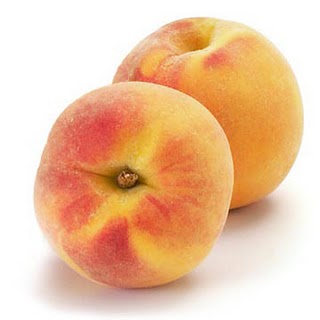
The following article is from another blog post that gives great instructions as to freezing peaches.
***
Freezing Fresh Peaches
It is a pretty simple thing to put up fruit in the freezer. You save some money and have the taste of summer all year long. We used to can peaches, then we progressed to freezing them in syrup and finally over the year we perfected this really simple way to freeze peaches.
The most important thing to do is to start with a good peach. They should be freestone peaches and be ripe, but not soft. They should also have a skin that peels easily without having to blanch the fruit. The peaches we get are Red Haven peaches. This is the variety that we like to use for freezing and it always produces a great result.
The most labor intensive part of the process is the peeling and slicing. I make a slice around the seam of the peach and pull the skin off starting with the peach. If the peach is of proper ripeness the skin should pull off without having to cut off any of the flesh. After peeling, I cut slices off the stone. Next you need to treat the peaches with Ascorbic Acid so they don't go brown. I use Fruit Fresh, but I don't follow the proportions on the label as they use too much sugar in my opinion. Finally you need to pack you fruit in sugar.
Recipe for Freezing Fresh Peaches
8 quarts of skinned and sliced fresh ripe peaches
8 quart freezer bags
8 T Fruit Fresh
4 C sugar
Divide the peaches among the bags making sure to leave some head room. Mix 1 T of fruit fresh and 1/2 of sugar into each bag. Stir the fruit and sugar mixture in the bag. Allow to sit for 15 minute or so until some juice forms. Seal bags and place them in the freezer.
I love to eat these peaches all by themselves or over vanilla ice cream. You can also use a quart for the filling for a pie or a peach cobbler.
Enjoy!
The most important thing to do is to start with a good peach. They should be freestone peaches and be ripe, but not soft. They should also have a skin that peels easily without having to blanch the fruit. The peaches we get are Red Haven peaches. This is the variety that we like to use for freezing and it always produces a great result.
The most labor intensive part of the process is the peeling and slicing. I make a slice around the seam of the peach and pull the skin off starting with the peach. If the peach is of proper ripeness the skin should pull off without having to cut off any of the flesh. After peeling, I cut slices off the stone. Next you need to treat the peaches with Ascorbic Acid so they don't go brown. I use Fruit Fresh, but I don't follow the proportions on the label as they use too much sugar in my opinion. Finally you need to pack you fruit in sugar.
Recipe for Freezing Fresh Peaches
8 quarts of skinned and sliced fresh ripe peaches
8 quart freezer bags
8 T Fruit Fresh
4 C sugar
Divide the peaches among the bags making sure to leave some head room. Mix 1 T of fruit fresh and 1/2 of sugar into each bag. Stir the fruit and sugar mixture in the bag. Allow to sit for 15 minute or so until some juice forms. Seal bags and place them in the freezer.
I love to eat these peaches all by themselves or over vanilla ice cream. You can also use a quart for the filling for a pie or a peach cobbler.
Enjoy!
[Taken from http://househubbie.blogspot.com/2008/08/how-to-freeze-fresh-peaches.html]
***I would love to read your favorite peach recipe.
Please leave me a comment.
Now that would just be peachy!
Thursday, August 25, 2011
The best six doctors anywhere

And no one can deny it
Are sunshine, water,
rest, and air
Exercise and diet.
These six will gladly you attend
If only you are willing
Your mind they'll ease
Your will they'll mend
And charge you not a shilling.
~Nursery rhyme quoted by Wayne Fields, What the River Knows, 1990
Saturday, May 28, 2011
The Meaning of Memorial Day
The following was shared by Tom DeVries, Lead Pastor of Fair Haven Ministries in Hudsonville, MI. He received it from his friend, Mike Atkinson.
As we move toward Memorial Weekend, and look to think, thank, and remember veterans this weekend, Tom shares a story from Mike (the father of a Marine), which I believe will touch your heart and help you reflect on what Monday means to us as Americans. It may be a little long, but worth the read. I'm sure there are some that roll their eyes about this holiday, others that find meaning only as the official start of summer, but for others the meaning of this day is special, and even more, personal.
As you reflect on Memorial Day, may you be reminded that for all, God has truly shed His grace on thee.

CEMETERY WATCHMAN
I just wanted to get the day over with and go down to Smokey's. Sneaking a look at my watch I saw the time - 1655. Five minutes to go before the cemetery gates are closed for the day. Full dress was hot in the August sun. Oklahoma summertime was as bad as ever - the heat and humidity at the same level - both too high.
I saw the car pull into the drive - a '69 or '70 model Cadillac Deville, looked factory-new. It pulled into the parking lot at a snail's pace. An old woman got out so slowly I thought she was paralyzed; she had a cane and a sheaf of flowers - about four or five bunches as best I could tell.
I couldn't help myself. The thought came unwanted, and left a slightly bitter taste: 'She's gonna spend an hour, and for this old Marine, my hip hurts and I'm ready to get out of here right now!' But for this day, my duty was to assist anyone coming in.
Kevin would lock the In gate and if I could hurry the old biddy along, we might make it to Smokey's in time.
I broke post attention. My hip made gritty noises when I took the first step and the pain went up a notch. I must have made a real military sight: middle-aged man with a small pot gut and half a limp, in Marine full-dress uniform, which had lost its razor crease about thirty minutes after I began the watch at the cemetery.
I stopped in front of her, halfway up the walk. She looked up at me with an old woman's squint.
"Ma'am, may I assist you in any way?"
She took long enough to answer.
"Yes, son. Can you please carry these flowers? I seem to be moving a tad slow these days."
"My pleasure, ma'am." Well, it wasn't TOO much of a lie.
She looked again. "Marine, where were you stationed?"
"Vietnam, ma'am. Ground-pounder. '69 to '71."
She looked at me closer. "Wounded in action, I see. Well done, Marine. I'll be as quick as I can."
I lied a little bigger: "No hurry, ma'am."
She smiled and winked at me. "Son, I'm 85-years-old and I can tell a lie from a long way off. Let's get this done. Might be the last time I can do this. My name's Joanne Wieserman, and I've a few Marines I'd like to see one more time."
"Yes, ma 'am. At your service."
She headed for the World War I section, stopping at a stone. She picked one of the flowers out of my arm and laid it on top of the stone. She murmured something I couldn't quite make out. The name on the marble was Donald S. Davidson, USMC: France 1918.
She turned away and made a straight line for the World War II section, stopping at one stone. I saw a tear slowly tracking its way down her cheek. She put a bunch on a stone; the name was Stephen X. Davidson, USMC, 1943.
She went up the row a ways and laid another bunch on a stone, Stanley J. Wieserman, USMC, 1944.
She paused for a second. "Two more, son, and we'll be done."
I almost didn't say anything, but, "Yes, ma'am. Take your time."
She looked confused. "Where's the Vietnam section, son? I seem to have lost my way."
I pointed with my chin. "That way, ma'am."
"Oh!", she chuckled quietly. "Son, me and old age ain't too friendly."
She headed down the walk I'd pointed at. She stopped at a couple of stones before she found the ones she wanted. She placed a bunch on Larry Wieserman, USMC, 1968, and the last on Darrel Wieserman, USMC, 1970. She stood there and murmured a few words I still couldn't make out.
"OK, son, I'm finished. Get me back to my car and you can go home."
"Yes, ma'am. If I may ask, were those your kinfolk?"
She paused. "Yes, Donald Davidson was my father, Stephen was my uncle, Stanley was my husband, Larry and Darrel were our sons. All killed in action. All Marines."
She stopped. Whether she had finished, or couldn't finish, I don't know. She made her way to her car, slowly and painfully.
I waited for a polite distance to come between us and then double-timed it over to Kevin, waiting by the car.
"Get to the Out gate quick! I have something I've got to do."
Kevin started to say something, but saw the look I gave him. He broke the rules to get us there down the service road. We beat her. She hadn't made it around the rotunda yet.
"Kevin, stand at attention next to the gatepost. Follow my lead." I humped it across the drive to the other post.
When the Cadillac came puttering around from the hedges and began the short straight traverse to the gate, I called in my best gunny's voice: "TehenHut! Present haaaarms!"
I have to hand it to Kevin; he never blinked an eye - full dress attention and a salute that would make his Drill Instructor proud.
She drove through that gate with two old, worn-out Marines giving her a send-off she deserved, for service rendered to her country, and for knowing duty, honor and sacrifice.
I am not sure, but I think I saw a salute returned from that Cadillac.
[forwarded by Ken Davis, the proud son of a war hero]
As we move toward Memorial Weekend, and look to think, thank, and remember veterans this weekend, Tom shares a story from Mike (the father of a Marine), which I believe will touch your heart and help you reflect on what Monday means to us as Americans. It may be a little long, but worth the read. I'm sure there are some that roll their eyes about this holiday, others that find meaning only as the official start of summer, but for others the meaning of this day is special, and even more, personal.
As you reflect on Memorial Day, may you be reminded that for all, God has truly shed His grace on thee.

CEMETERY WATCHMAN
I just wanted to get the day over with and go down to Smokey's. Sneaking a look at my watch I saw the time - 1655. Five minutes to go before the cemetery gates are closed for the day. Full dress was hot in the August sun. Oklahoma summertime was as bad as ever - the heat and humidity at the same level - both too high.
I saw the car pull into the drive - a '69 or '70 model Cadillac Deville, looked factory-new. It pulled into the parking lot at a snail's pace. An old woman got out so slowly I thought she was paralyzed; she had a cane and a sheaf of flowers - about four or five bunches as best I could tell.
I couldn't help myself. The thought came unwanted, and left a slightly bitter taste: 'She's gonna spend an hour, and for this old Marine, my hip hurts and I'm ready to get out of here right now!' But for this day, my duty was to assist anyone coming in.
Kevin would lock the In gate and if I could hurry the old biddy along, we might make it to Smokey's in time.
I broke post attention. My hip made gritty noises when I took the first step and the pain went up a notch. I must have made a real military sight: middle-aged man with a small pot gut and half a limp, in Marine full-dress uniform, which had lost its razor crease about thirty minutes after I began the watch at the cemetery.
I stopped in front of her, halfway up the walk. She looked up at me with an old woman's squint.
"Ma'am, may I assist you in any way?"
She took long enough to answer.
"Yes, son. Can you please carry these flowers? I seem to be moving a tad slow these days."
"My pleasure, ma'am." Well, it wasn't TOO much of a lie.
She looked again. "Marine, where were you stationed?"
"Vietnam, ma'am. Ground-pounder. '69 to '71."
She looked at me closer. "Wounded in action, I see. Well done, Marine. I'll be as quick as I can."
I lied a little bigger: "No hurry, ma'am."
She smiled and winked at me. "Son, I'm 85-years-old and I can tell a lie from a long way off. Let's get this done. Might be the last time I can do this. My name's Joanne Wieserman, and I've a few Marines I'd like to see one more time."
"Yes, ma 'am. At your service."
She headed for the World War I section, stopping at a stone. She picked one of the flowers out of my arm and laid it on top of the stone. She murmured something I couldn't quite make out. The name on the marble was Donald S. Davidson, USMC: France 1918.
She turned away and made a straight line for the World War II section, stopping at one stone. I saw a tear slowly tracking its way down her cheek. She put a bunch on a stone; the name was Stephen X. Davidson, USMC, 1943.
She went up the row a ways and laid another bunch on a stone, Stanley J. Wieserman, USMC, 1944.
She paused for a second. "Two more, son, and we'll be done."
I almost didn't say anything, but, "Yes, ma'am. Take your time."
She looked confused. "Where's the Vietnam section, son? I seem to have lost my way."
I pointed with my chin. "That way, ma'am."
"Oh!", she chuckled quietly. "Son, me and old age ain't too friendly."
She headed down the walk I'd pointed at. She stopped at a couple of stones before she found the ones she wanted. She placed a bunch on Larry Wieserman, USMC, 1968, and the last on Darrel Wieserman, USMC, 1970. She stood there and murmured a few words I still couldn't make out.
"OK, son, I'm finished. Get me back to my car and you can go home."
"Yes, ma'am. If I may ask, were those your kinfolk?"
She paused. "Yes, Donald Davidson was my father, Stephen was my uncle, Stanley was my husband, Larry and Darrel were our sons. All killed in action. All Marines."
She stopped. Whether she had finished, or couldn't finish, I don't know. She made her way to her car, slowly and painfully.
I waited for a polite distance to come between us and then double-timed it over to Kevin, waiting by the car.
"Get to the Out gate quick! I have something I've got to do."
Kevin started to say something, but saw the look I gave him. He broke the rules to get us there down the service road. We beat her. She hadn't made it around the rotunda yet.
"Kevin, stand at attention next to the gatepost. Follow my lead." I humped it across the drive to the other post.
When the Cadillac came puttering around from the hedges and began the short straight traverse to the gate, I called in my best gunny's voice: "TehenHut! Present haaaarms!"
I have to hand it to Kevin; he never blinked an eye - full dress attention and a salute that would make his Drill Instructor proud.
She drove through that gate with two old, worn-out Marines giving her a send-off she deserved, for service rendered to her country, and for knowing duty, honor and sacrifice.
I am not sure, but I think I saw a salute returned from that Cadillac.
[forwarded by Ken Davis, the proud son of a war hero]
Monday, May 23, 2011
Spring Cleaning Tips: 10 Simple Steps for a Greener and Healthier Home
Spring and "springtime" refer to the season between Winter and Summer, and broadly to ideas of rebirth, renewal and regrowth. We are now fully experiencing the Spring season--flowers and trees are blooming, and some of us are opening their windows for the first time in months. Many in northern climates experience Spring Cleaning this time of year--cleaning a house from top to bottom in the first warm Spring days of the year. This can be a daunting task for some of us but I found a book that really helps break it down into easy steps--and they are healthy, too!

A few years ago, Sloan Barnett came out with a book that cuts through the complexity of getting clean and green in our homes. Below is an excerpt that is worth repeating.
For more info on Sloan's book, please refer to
http://greengoeswitheverything.com/about.html
Sloan's 10 Simple Steps for a Greener and Healthier Home:

http://greengoeswitheverything.com/quiz.html
Want to know more about Green, Safe, Powerful cleaning products that Always Work? Let me know and I'll share some Clean Fun facts with you.
~Cheryl

For more info on Sloan's book, please refer to
http://greengoeswitheverything.com/about.html
Sloan's 10 Simple Steps for a Greener and Healthier Home:
- Start by replacing a bunch of your cleaners (your general spray cleaner, glass cleaner, counter top cleaner, floor and bathroom cleaners) with a natural, nontoxic all-purpose cleaner. You will only need one to do that. Really!
- Replace your laundry detergent with a natural nontoxic one so the clothes you wear and the sheets you sleep on have no fumes for you to breathe.
- Go to your bathroom and read the shampoo, makeup and moisturizer labels. Ask yourself, “Do I really need scent in these products?” Take stock of all of your other products and try to replace one a week with a safer, greener choice.
- Use BPA-free plastic baby bottles and fill them with breast milk or organic formula. Choose powdered formula over canned formula to avoid BPA leaching from the can-lining.
- Pay attention (without freaking out) to the toys you buy for your kids. Avoid lead paint and soft plastics that contain phthalates.
- Shop the perimeter of the grocery store and avoid processed food. Even better, choose organic and locally grown meats, dairy, fruits, and vegetables.
- Try to get the plastic containers out of your kitchen and replace them with glass containers.
- Make a vow to stop buying bottled water—NOW. Instead, buy a water filter pitcher and keep two in your fridge at all times.
- For cleaner and healthier air, open your windows once a day when the outside temperature is comfortable.
- When buying new stuff for your home, focus on green products especially mattresses and carpets.

http://greengoeswitheverything.com/quiz.html
Want to know more about Green, Safe, Powerful cleaning products that Always Work? Let me know and I'll share some Clean Fun facts with you.
~Cheryl
Saturday, May 14, 2011
FIBER
Would you agree that most people today do not get enough fiber in their diets?
Need to increase your FIBER intake?
Need to increase your FIBER intake?
- Get your fiber from a variety of sources
- Bran, oatmeal, beans, fruits, berries, raw vegetables & whole grains
- Eat lots of fresh fruits & vegetables
- At least 2 servings of fruit & 3 servings of vegetables each day
- Use legumes in your meals
- Aim for several times per week
- Use bran cereal or add it to your foods
- Cereals, Salads & Yogurt; Be sure to store bran in the refrigerator
- Use 100% whole grains & brown rice
- Read the label, many restaurants will substitute.
- Add berries, nuts & dried fruits to your foods
- Cereal & Salads—be creative
- Use real foods rather than purified fiber
- Increase your fiber intake slowly
Wednesday, May 11, 2011

Friday, April 22, 2011
Making YOUR home healthier this Earth Day
[Please read all the way to the bottom for a special TODAY-ONLY offer]
Let's team up and make 50,000 homes healthier this Earth Day!
For a limited time, starting this Earth Day 2011, at the time you join Shaklee, you have an opportunity to make your home healthier by purchasing a very special selection of Get Clean products that includes:

 15% discount (off retail prices) on product purchases
* TODAY ONLY (4/22/2011) The first 5 people to join Shaklee and order through my
affiliate link will receive a copy of Sloan Barnett's book, Green goes with Everything.
Let's team up and make 50,000 homes healthier this Earth Day!
For a limited time, starting this Earth Day 2011, at the time you join Shaklee, you have an opportunity to make your home healthier by purchasing a very special selection of Get Clean products that includes:

___Basic H2 (16oz)
___Two Spray Bottles
___Get Clean Super Microfiber
Cleaning Cloths
Cleaning Cloths
___Get Clean Dish Wash
Liquid Concentrate (32 oz)
Liquid Concentrate (32 oz)
___Shaklee Energy (chews)
Only available at the time of sponsoring at
an incredible MEMBER PRICE of $30.*
an incredible MEMBER PRICE of $30.*
CLICK HERE TO BUY NOW #59729
* This purchase can also qualify you for our Join Free with $30 promotion!
See below for details.
See below for details.
Through May 20, 2011, purchase any Shaklee products with a minimum total purchase price of $30, and we’ll waive the $19.95 Shaklee membership fee!
This is the best “Join Shaklee” promotion ever offered! As a Shaklee Member, you will get ...
This is the best “Join Shaklee” promotion ever offered! As a Shaklee Member, you will get ...
* Join through my affiliate site (link above) and get additional member bonuses from me.
Click on the CONTACT ME button if you need help. I will help you place your order.
Click on the CONTACT ME button if you need help. I will help you place your order.
* TODAY ONLY (4/22/2011) The first 5 people to join Shaklee and order through my
affiliate link will receive a copy of Sloan Barnett's book, Green goes with Everything.
Subscribe to:
Posts (Atom)


 Posts
Posts

